This ride is self-supporting, so packing is essential to get right. To that end, we have a simple motto:
If you show up with just your passport and your bike, we can probably scramble to “make do” for the rest.
If you show up with half your wardrobe, we may have to leave you behind!
Everyone overpacks on their first ride. Unless you’re coming on an electric-assist bike, your goal is to reduce the weight of your bags as much as possible.
We therefore divide packing into the essentials and recommended items.
Passport
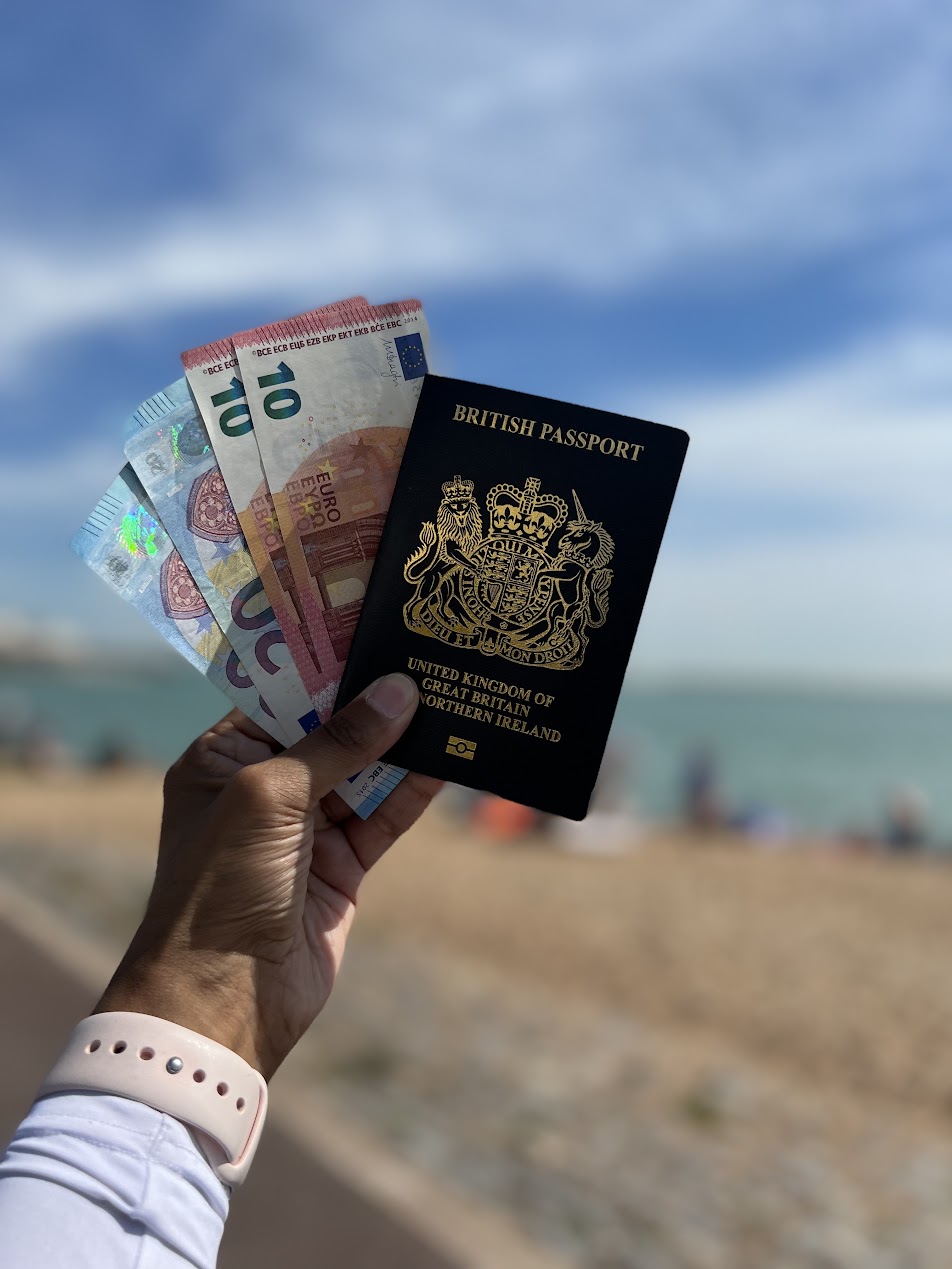
This should go without saying. You will need your passport to cross the English Channel, and perhaps in case of emergencies, but otherwise it will not be necessary.
Sunblock
Sunblock is essential for long days riding in the August sun. You should re-apply it at every coffee or meal stop.
Chamois Creme
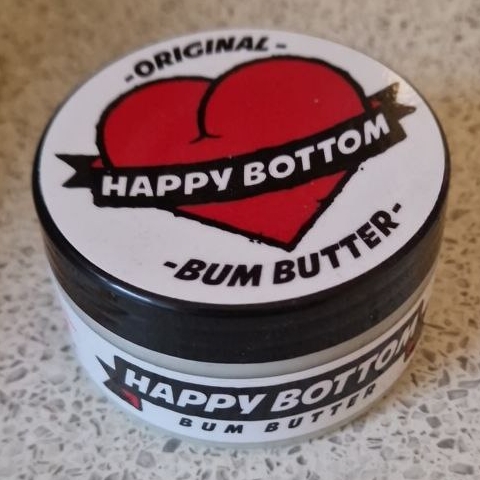
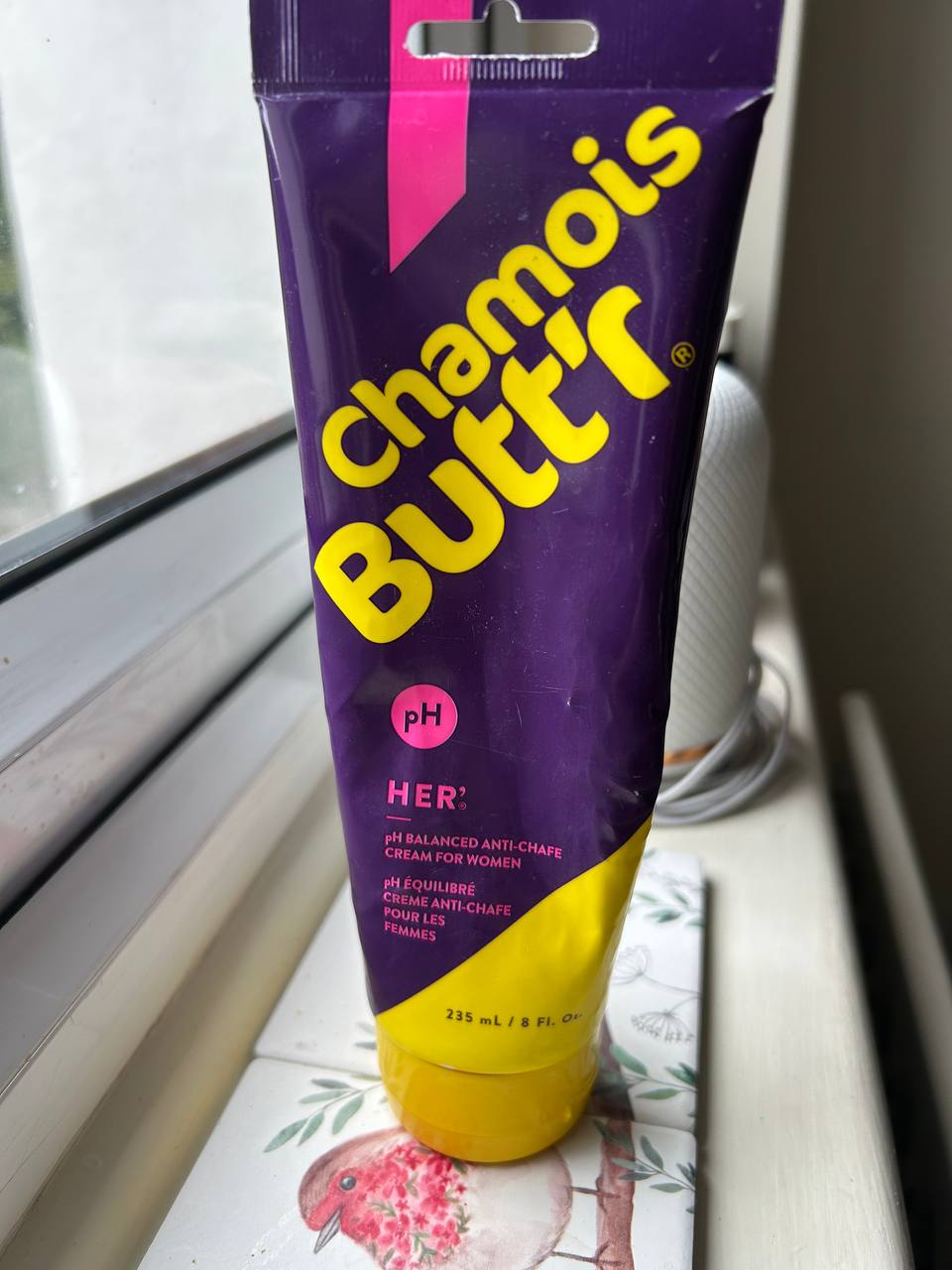
Chamois Creme is a more personal matter, as the most difficult part of a long ride is simply the chafing of skin against the bike seat. A good creme will help reduce friction and keep skin moisturised and healthy during the ride.
An antiseptic ointment such as “Sudocrem” or “Bepanthen” (other brands are available) can also help any rashes or sores heal up overnight.
Clothing
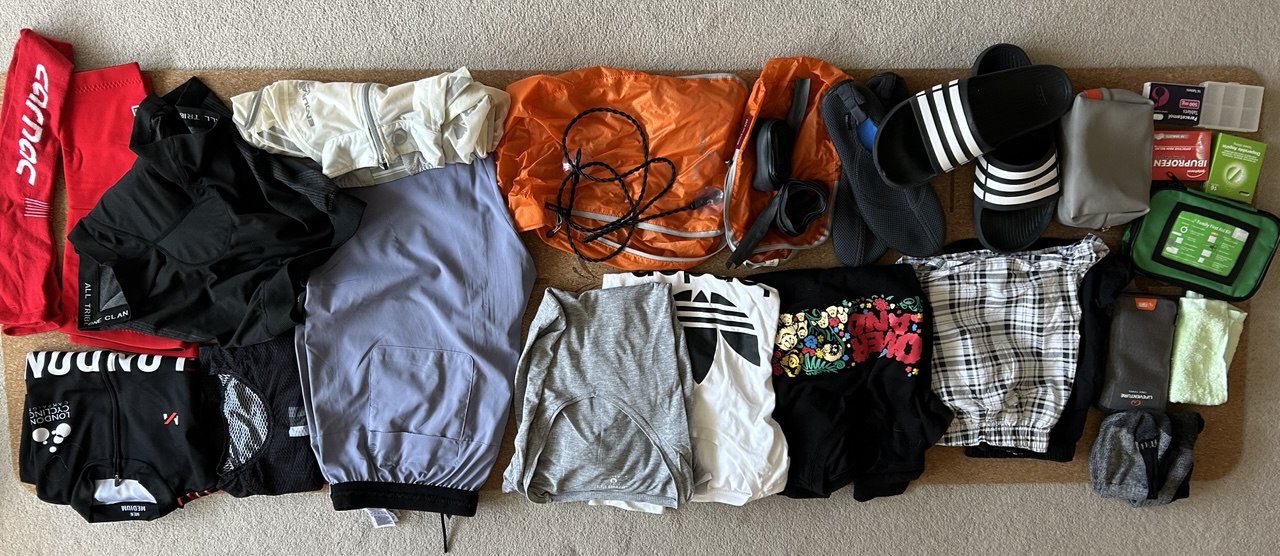
This is often where the worst weight offenses come from. Ideally you should only pack one set of clothes in your bag, and have another set you’re wearing. We’ll have time to wash clothes in the hostels most nights, and we’ll all be sweating into anything we’re wearing soon anyway.
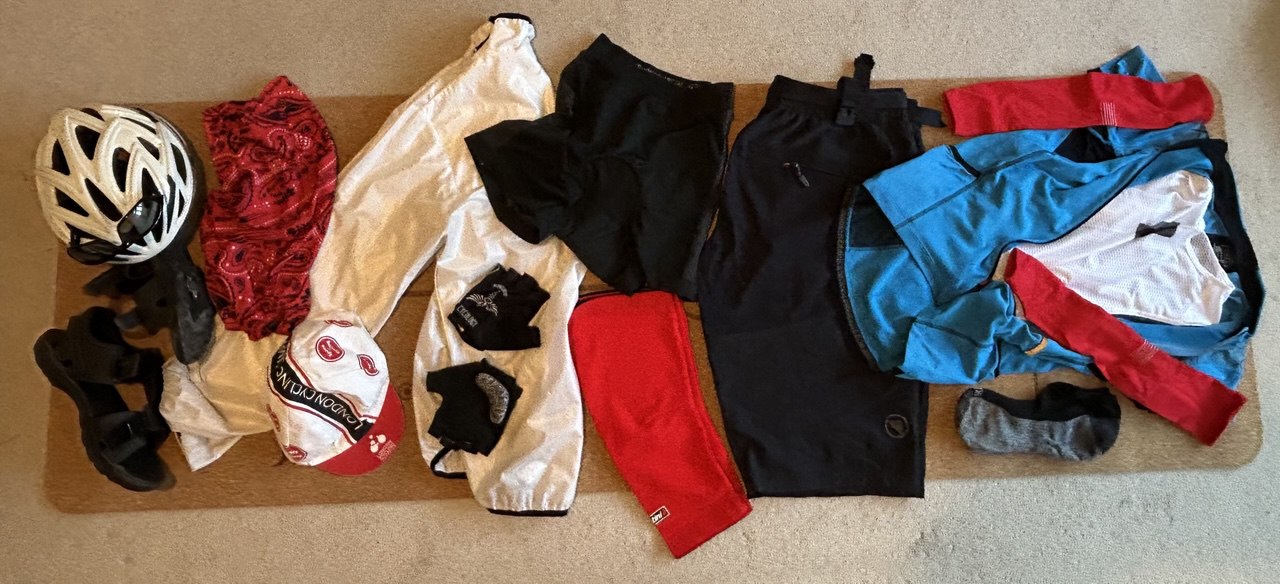
You will want a base layer against your skin that wicks sweat as best as possible, and some thin layers you can put on top if the evenings get a chill.
Could you justify a third set of clothes? Sure. A fourth? This is how bags get heavy! Maybe keep the extras to things like underwear and socks.
Some folks ride in lycra and specialty clip-in shoes, and some ride in aloha shirts and crocs. You probably won’t need a new outfit just for cycling.
Lights
It is criminal that bicycles are sold in the UK without dynamo hubs powering built-in lights. And thus, we are duty-bound to remind you to bring steady-shining front (white) and rear (red) lights for your bicycle. We hope to reach our lodgings before sundown, but we also ride into town for dinner on some nights.
Flashing lights make it impossible to track their trajectory in the dark. Furthermore, studies have shown that motorists steer toward flashing lights more often than away. They also make life difficult for everyone cycling alongside you.
Locks
We will have secure storage at our lodgings, but we will make many stops where you’ll want to be able to prop your bike up on the kickstand, lock the rear wheel, and pop in to a shop or cafe.
Water and snacks
Tradition is to bring a bottle of water that is frozen through, for the first day, and refill it throughout the ride with cold tap water. Bottles of water are not scarce, however, and you can always find a new one at most shops.
Toiletries
You’ll need to bring your toothbrush, of course.
But also pack travel-size shampoo and shower soaps, as well as your laundry soap. Most hostels have towels included in the room price, but it can be convenient to pack a small camping towel for a no-delay hop in the shower on arrival.
Sunglasses
We’ll be riding from morning through evening, often heading East into a rising sun. Give your eyes a break with a comfortable pair of UV-blocking shades.
Denture Tablets
Water bottles on long rides spend a lot of time under warm and stagnant conditions. It’s important to keep your bottle sanitised, to avoid drinking pathogens that could upset your stomach.
The simplest way to do this is to pick up some cheap denture cleaning tablets. These are designed to sanitise false teeth in a glass by the bedside, so they’re effective and safe for surfaces you’ll put your mouth on.
The preferred technique is to break a single tablet in half or quarters, and share with your roommates. Shake a bottle of water with your piece and leave for 10 minutes before carefully rinsing out.
Mesh Bag
Since you will be doing a lot of washing in the sink, you’ll want to bring some laundry soap as well as a mesh bag for drying.
You’ll hang your clothing to drip and air dry as best as possible after washing, but often the best drying happens out in the hot sun of a ride. To that end you’ll want to pick up some inexpensive mesh bags from the fruit aisle of your local shop, and use them to keep your laundry spread out over the top of your pannier rack while you ride.
Just be careful not to let anything get caught in your spokes!
Dry Bag
You can get inexpensive “dry bags” for camping from shops such as Decathlon. These will create waterproof barriers that let you keep dirty or wet clothes separate from dry luggage.
Inner Tubes
First of all, it is worth packing one spare inner tube for your bike. We can patch and move on, a lot of the time, but there’s no substitute for a fresh tube after a puncture.
But we also recommend you use those worn-out or pierced tubes to secure your bags on the trip.
We do not allow bungee cables, particularly the kinds with hooks on them. We have had far too many riders get their hubs tangled up, and the hooks are a dangerous hazard when attached to such a capricious catapult.
We have plenty of old inner tubes to spare for securing your bags. Just ask!
Power
You will likely be bringing electronic devices such as your phone, GPS device, cameras, etc. You will want to make sure you can recharge these devices. You may wish to bring a USB power bank, so that your phone can charge in your bag.
All of the countries we will be travelling through use the German-standard “Schuko” socket type, and the wall current is compatible with UK-built devices. You will want either a “UK→EU” adapter, or to get continental plugs for your charging equipment.
Roaming
Check with your mobile service provider, and see what the tariffs are for roaming calls and data in France, Belgium, and the Netherlands. You may be able to purchase a temporary “e-sim” for use when outside the UK.